BASED IN OREGONRESEARCH + EMBEDDED SYSTEMSLEARNING THROUGH BUILDING
01 / Selected work
From theory to practice.
Research, working hardware, and coursework—now with project demonstrations, original documents, and source code.
01 / OREGON STATE UNIVERSITYRESEARCH
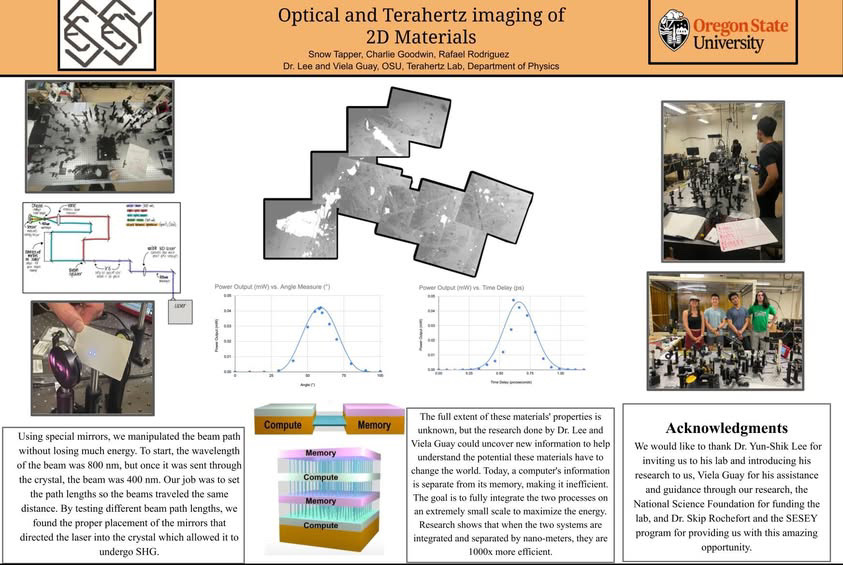
Optical alignment & monolayer imaging
SESEY research in Prof. Yun-Shik Lee’s lab, adjusting optical beam paths for second harmonic generation and mapping monolayer semiconductor samples.
THz OPTICS · EXPERIMENTATION · SECOND HARMONIC GENERATION
Explore the experience ↗
We varied the sliding-mirror position to match the two beam paths and measured the second-harmonic signal with a sensor. The experiment converted 800 nm input light to 400 nm light. We also took microscopic images of WSe₂ and MoS₂ samples to locate monolayer regions for later experiments. Mentorship: Prof. Yun-Shik Lee and Viela Guay.
An ENGE 320 project in C for the ATmega328P, integrating a seven-segment display, three stored laps, analog input, PWM lighting, and USART communication.
Program 6 implements start/stop and lap buttons, a two-button reset, and potentiometer selection between elapsed time and the three most recent laps. Timer interrupts drive timekeeping; PWM controls RGB transitions. Serial commands “s” and “l” control start/stop and lap recording, with results sent to Tera Term. The supplied code is preserved as submitted.
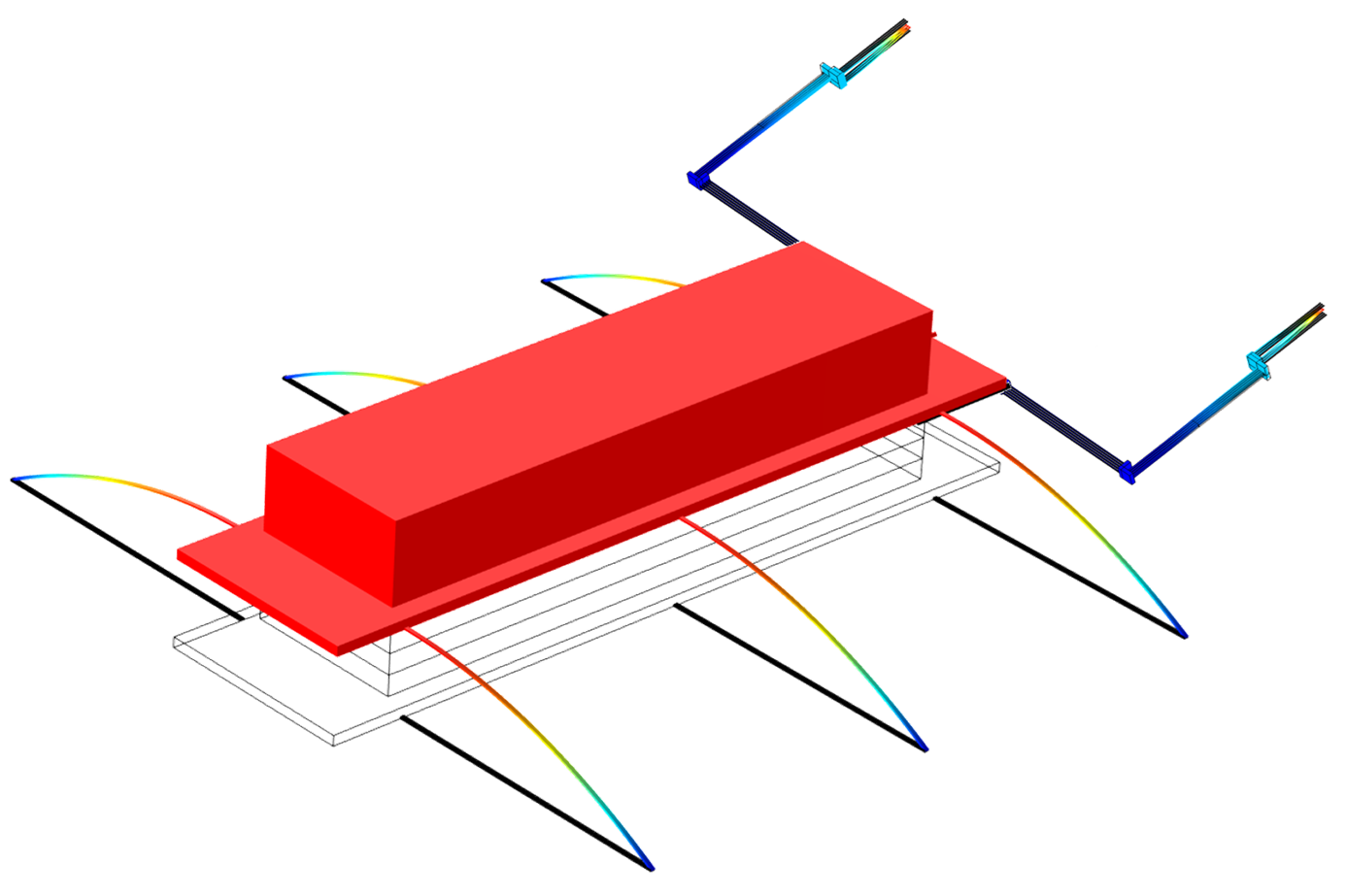
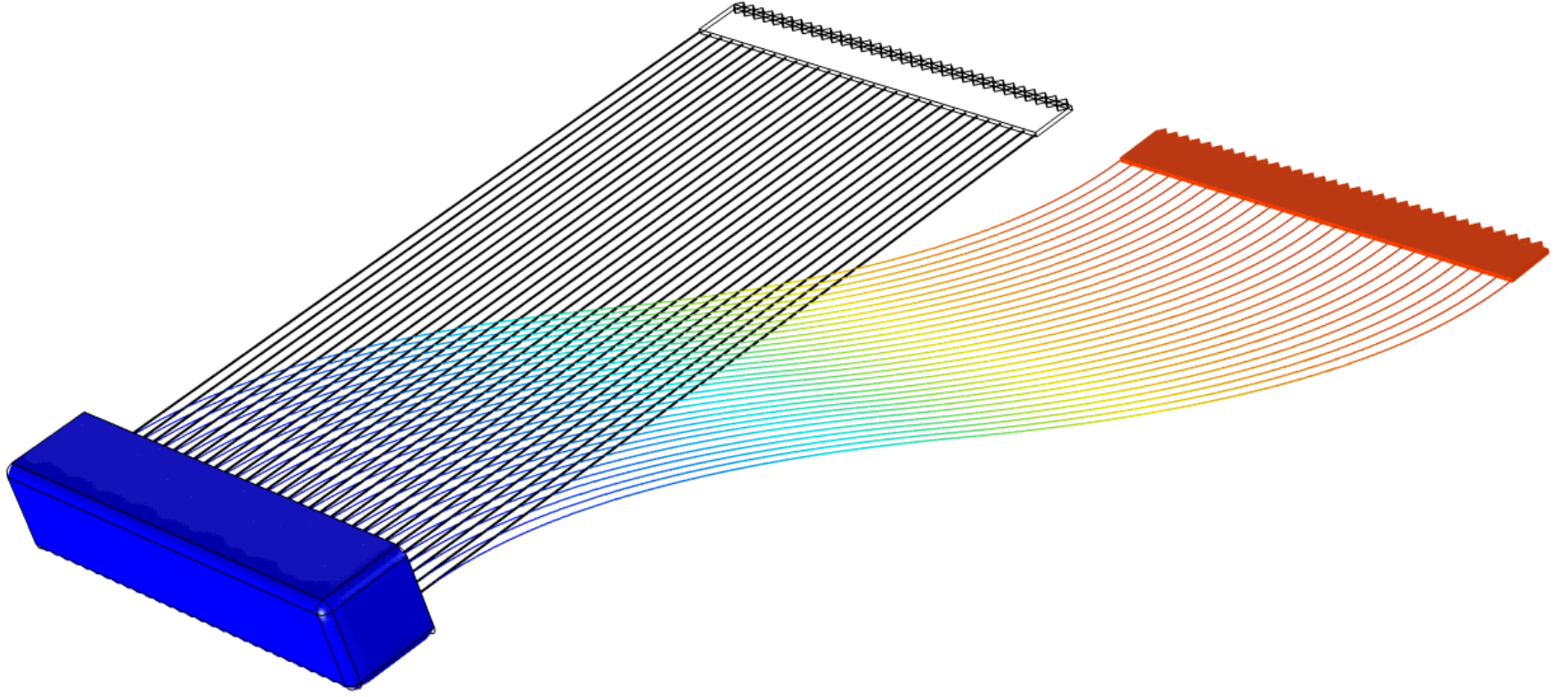
Our team explored a double-bimorph actuator that bends into an S shape, using geometry, physical modeling, and simulation to study motion and loading. The presentation includes stacked-load designs and displacement studies. This was collaborative work with Nial Donohoo and Amiri Horn under Prof. Jason Clark through SESEY; the models shown are research simulations.
Object-oriented programming exercises covering classes, inheritance, arrays, file processing, and exception handling.
JAVA · INTELLIJ IDEA · OBJECT-ORIENTED PROGRAMMING
Explore the coursework ↗
Examples include a car model with fuel and distance tracking, class hierarchies for people and employees, and programs that read and transform text files. These exercises developed my understanding of how state, behavior, and validation fit together in a program.
05 / HARDWARE DEMONSTRATIONEMBEDDED
Simon game project
A team demonstration of a Simon game on a development board with four illuminated buttons, an LCD, and a numeric display.
USER INPUT · LED FEEDBACK · HARDWARE DEMONSTRATION
About the demonstration ↗
The recording shows the team presenting the project and interacting with the board’s buttons and displays. Watch the full demonstration above to see the hardware in use.
06 / CIRCUIT BUILDSHARDWARE
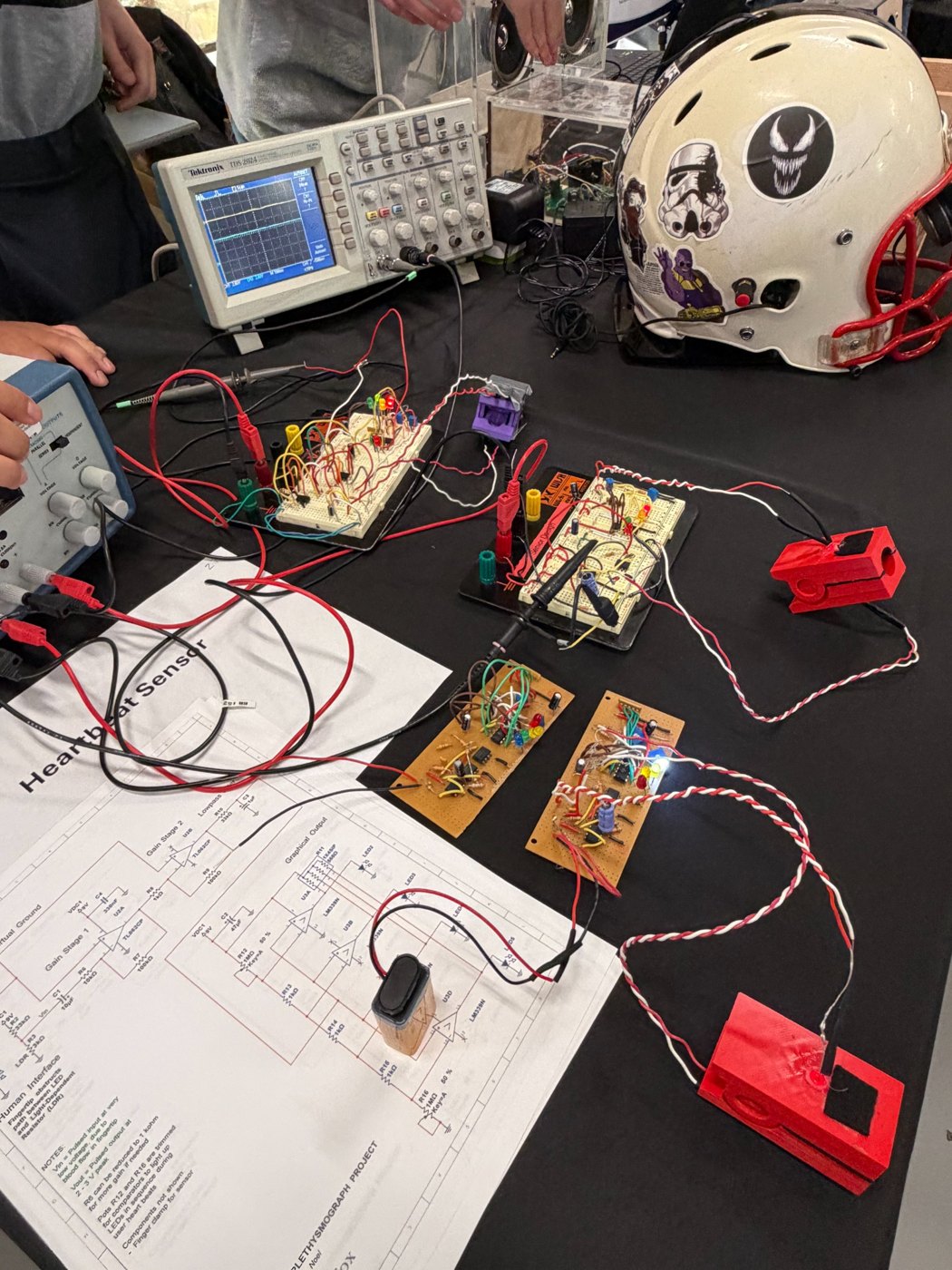
Pulse oximeter: from breadboard to circuit board
A pulse oximeter project developed from a wired breadboard prototype into a circuit-board assembly. The photo and demonstrations document both stages of the build.
Research in focus / SESEY · Oregon State University
Finding alignment. Mapping the sample.
Measurements and microscope images from my research experience in Prof. Yun-Shik Lee’s lab.
Original research poster Optical and Terahertz Imaging of 2D Materials Snow Tapper, Charlie Goodwin, and Rafael Rodriguez · Oregon State University, SESEY
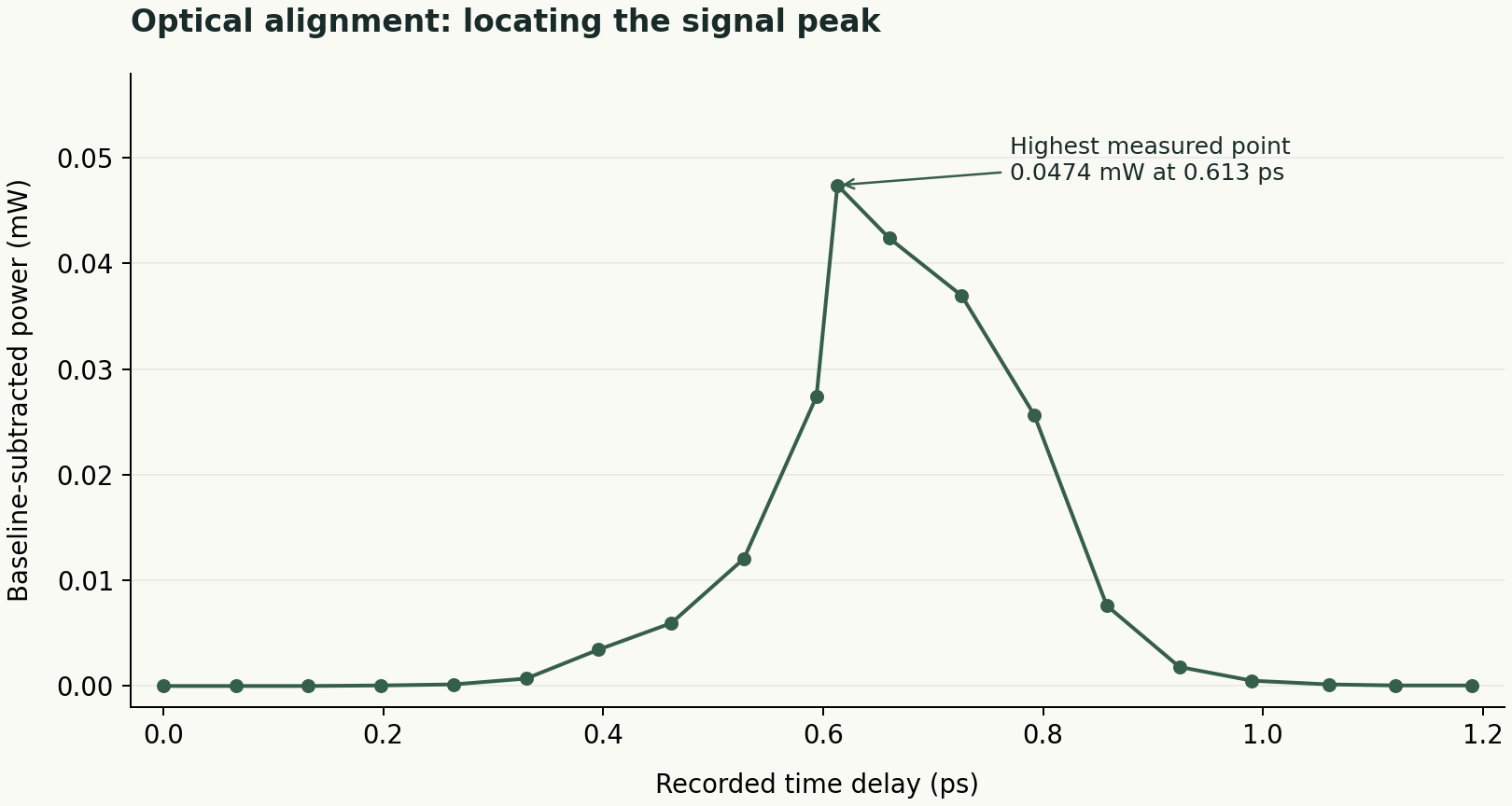
We adjusted sliding mirrors to vary the relative beam-path length and measured the optical signal while seeking the strongest second-harmonic response. Two power readings at each position helped us compare the response across the scan.
What the measurements show
The highest measured baseline-subtracted power was 0.0474 mW at a recorded delay of 0.613 ps, with the sliding mirror at 16.018 mm. This identifies the strongest sampled response in this scan, rather than an exact fitted optimum.
20 measurement positions. Each point is the mean of two readings minus the workbook’s 0.00165 mW baseline. Time-delay values are reproduced from the workbook; connecting lines guide the eye and are not a fitted model.Download the original lab data · XLSX ↓
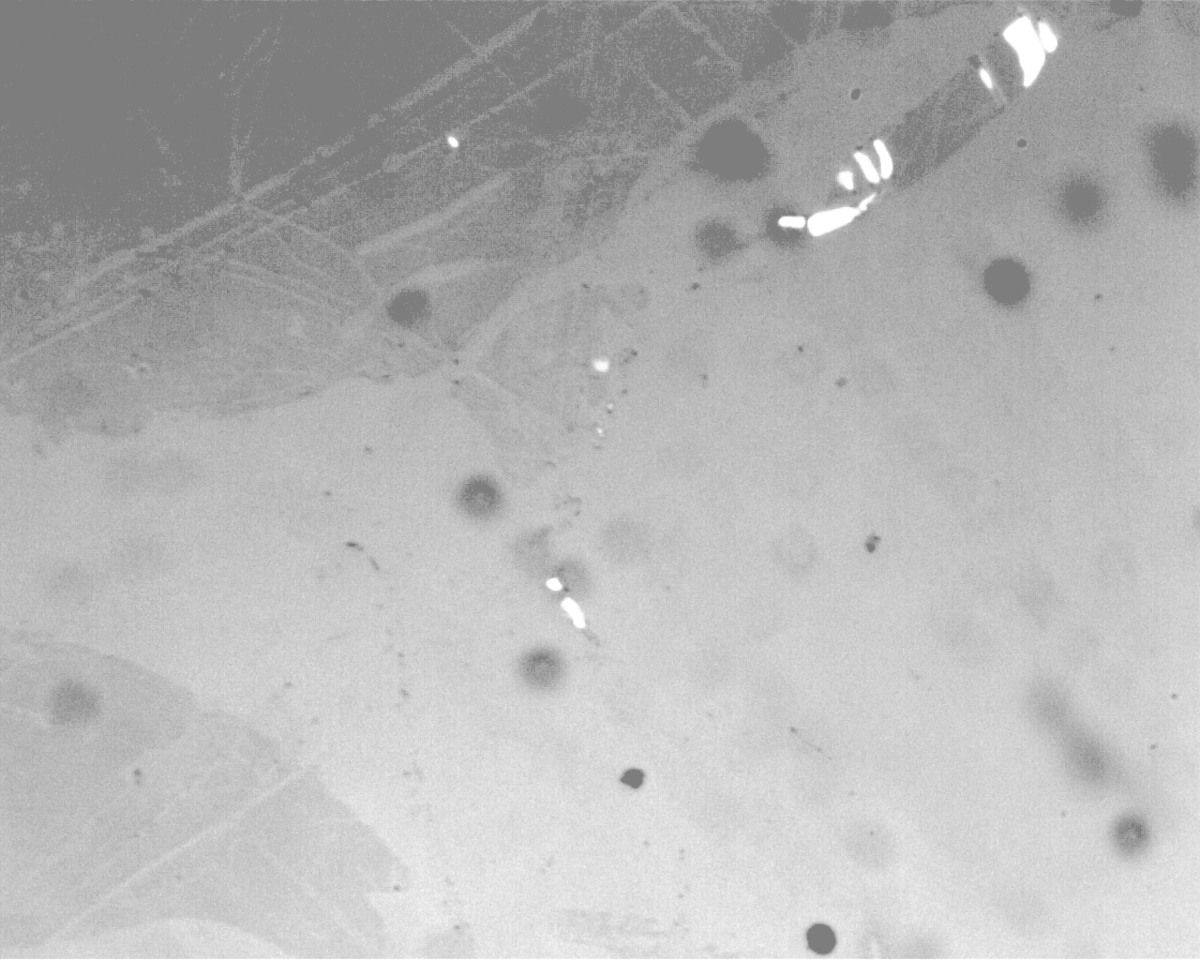
Examining MoS₂ and WSe₂ samples
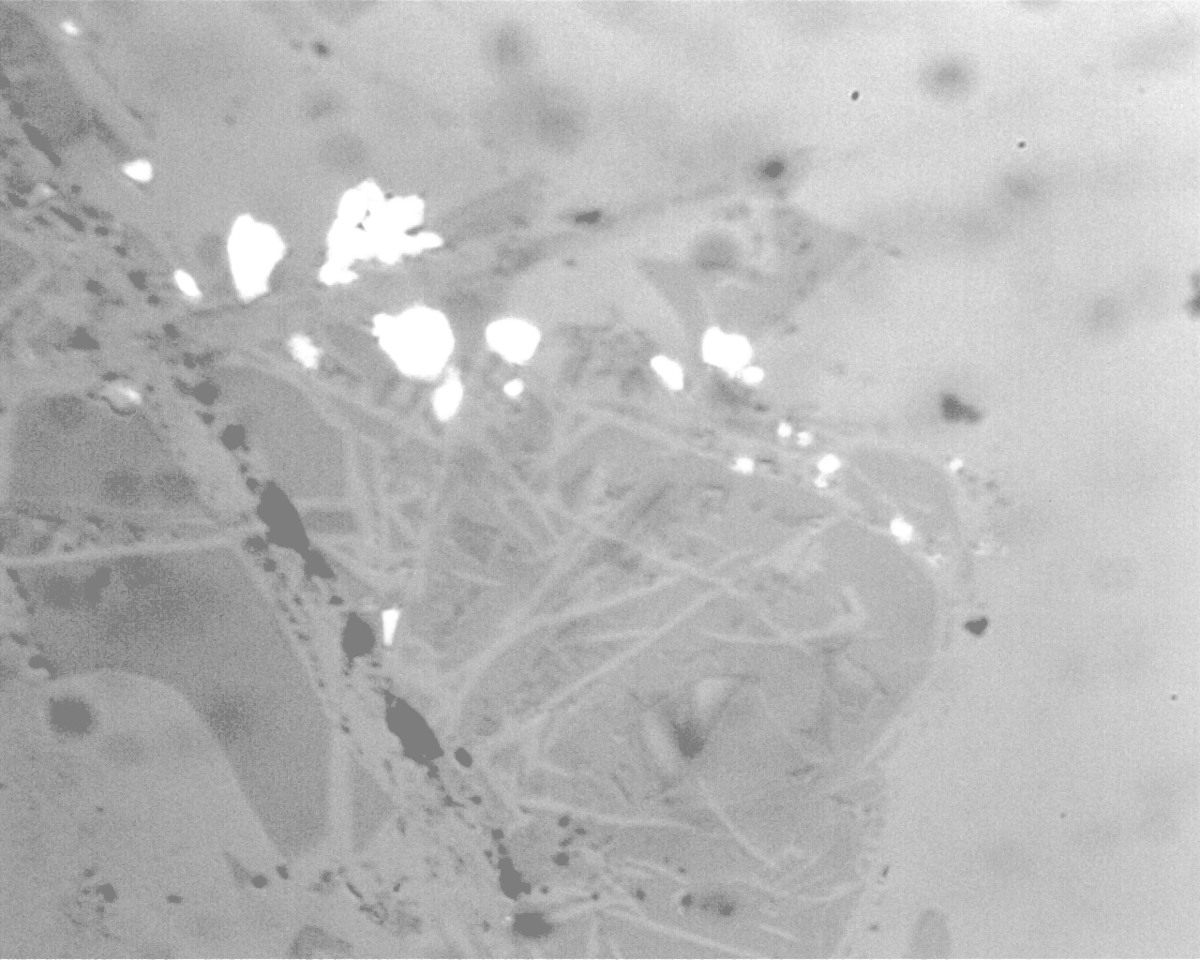
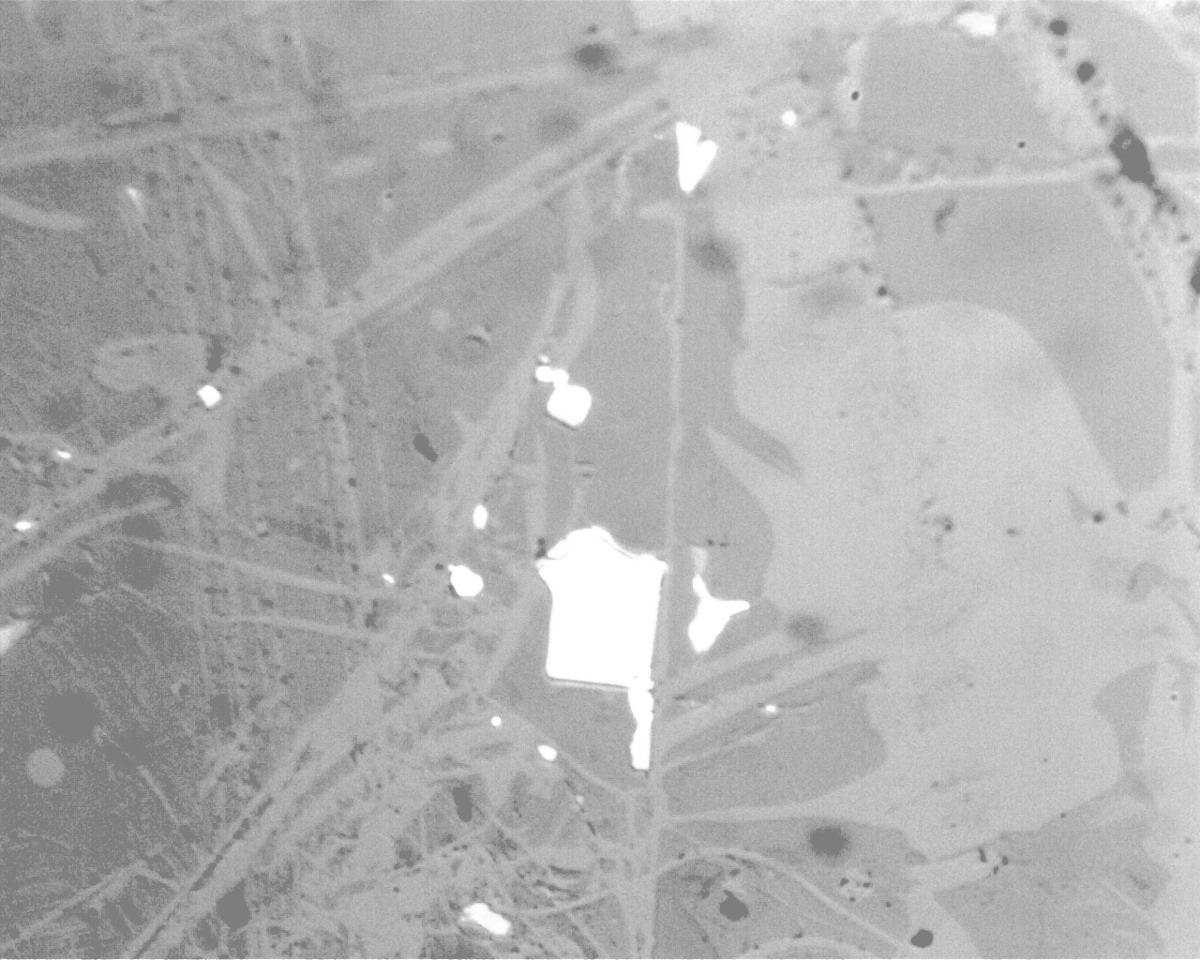
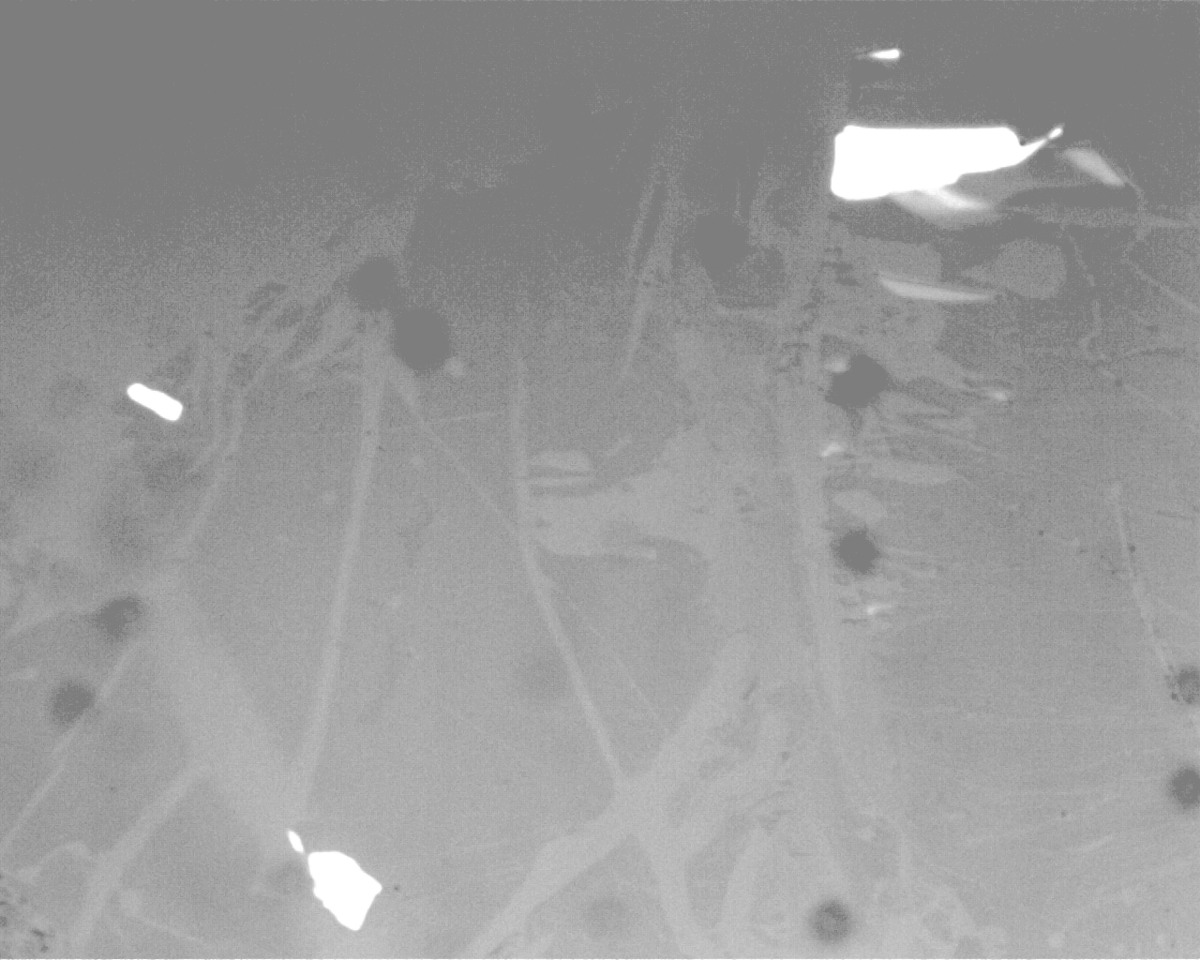
We used microscopy to map sample regions and support the search for monolayer material. These selected images show the visible features used to distinguish and relocate regions. The names below preserve our original sample labels; the images alone do not establish layer thickness.
MoS₂ · Rocky CoastOriginal image label: 4x · Select to enlargeMoS₂ · OklahomaOriginal image label: 4x · Select to enlargeWSe₂ · WhaleOriginal image label: 4x · Select to enlargeWSe₂ · BonesOriginal image label: 4x · Select to enlarge
Research mentorship: Prof. Yun-Shik Lee and Viela Guay · SESEY program. Images and measurements are from the original project materials.
02 / About me
An engineer in progress. A purpose beyond myself.
I want to understand how things work—and use that understanding to make a meaningful difference.
I grew up in Salem, Oregon, and study engineering at George Fox University. My interests connect electrical systems, programming, and experimental research, from aligning optical beams to troubleshooting microcontroller behavior.
Alongside engineering, my experience in track and field, student mentoring, and community service has shaped how I approach teamwork and responsibility. My faith informs a commitment to serving others through what I learn and build.
03 / Technical foundation
My growing toolkit.
Skills and concepts developed through coursework, laboratory work, and research.
Embedded C, Java, object-oriented design, IntelliJ IDEA, MATLAB plotting, and serial debugging with Tera Term.
Research
Experimentation & communication
Optical alignment, beam-path testing, technical lab reports, and connecting experimental observations with theory.
04 / Beyond engineering
Service is part of the work.
Community involvement keeps the human purpose of engineering in view.
Community
Showing up for others
Student mentoring, church volunteering, and serving campers at Twin Rocks through cooking, cleaning, recreation, and hands-on support.
Advocacy
Turning concern into action
Created a project raising awareness about child refugees and raised more than $1,000 for a local refugee shelter.
Connection
A wider perspective
Involvement with Caretakers of the Environment International and Oregon’s World Beat Festival connects environmental awareness with cultural understanding.
Always learning
More questions. More possibilities.
I’m continuing to develop my interests at the intersection of electrical engineering, computing, and research.